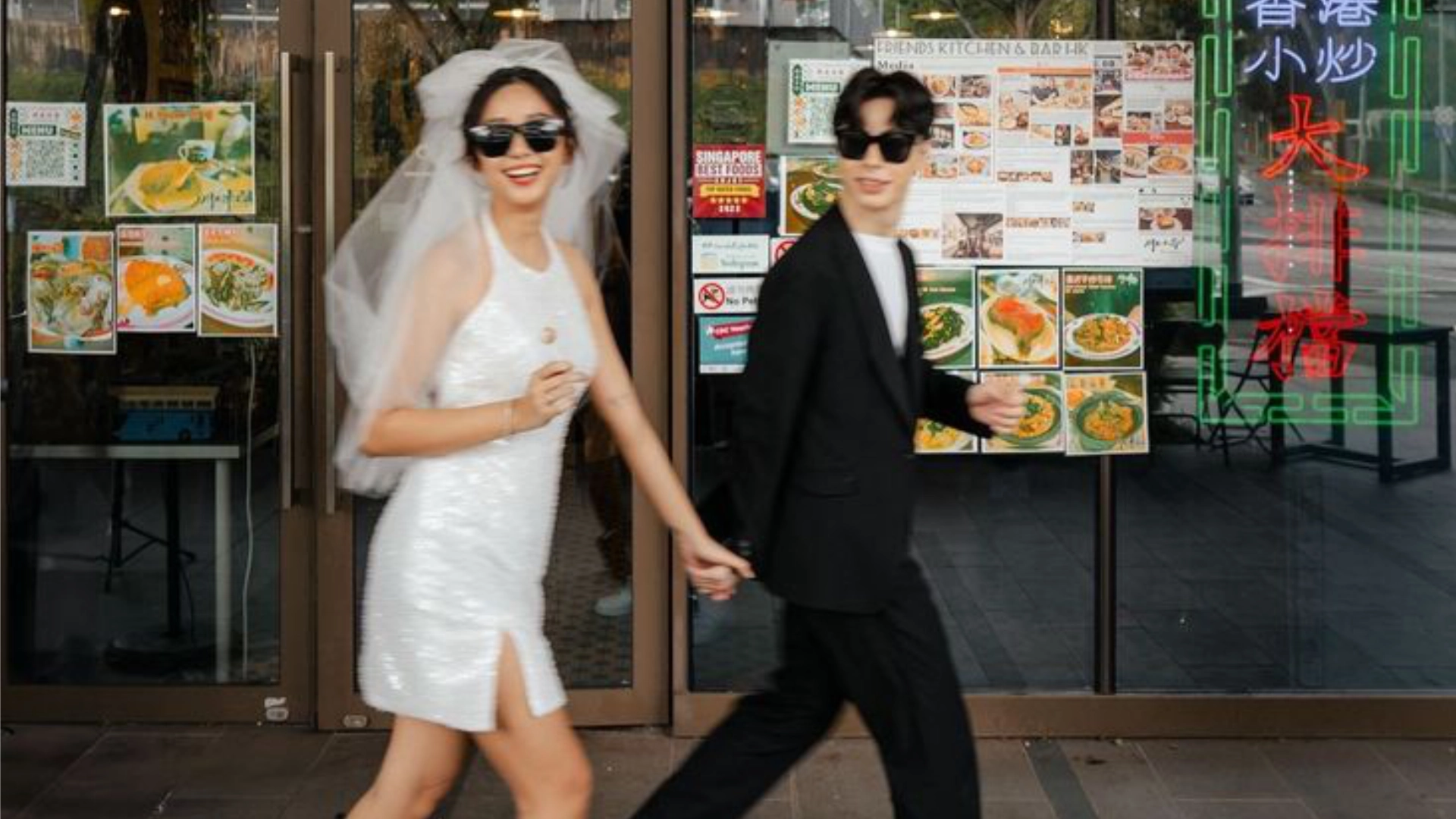
A reception can start to feel overbuilt long before the guest list is finished. A Japanese American wedding reception is often planned under several kinds of pressure at once: honoring family, avoiding shallow cultural gestures, staying within budget, and making sure vendors do not promise more than they can manage. The strongest plans usually come from deciding what each tradition, meal choice, speech, and guest moment is meant to accomplish. Once that is clear, the reception becomes easier to explain, easier to price, and easier for both families to trust.
Plan a Japanese American Wedding Reception Timeline
Before the decor or menu takes shape, couples planning life with a Japanese wife often realize that the schedule is what reveals most of the hard decisions. One side of the family may picture a formal seated dinner with parent speeches and careful introductions. Another may expect a looser evening with more time to talk, drink, and move around. Guests arriving from Japan, Hawaii, the West Coast, or another state may also be dealing with travel fatigue, transportation limits, or older relatives who cannot comfortably stay late.
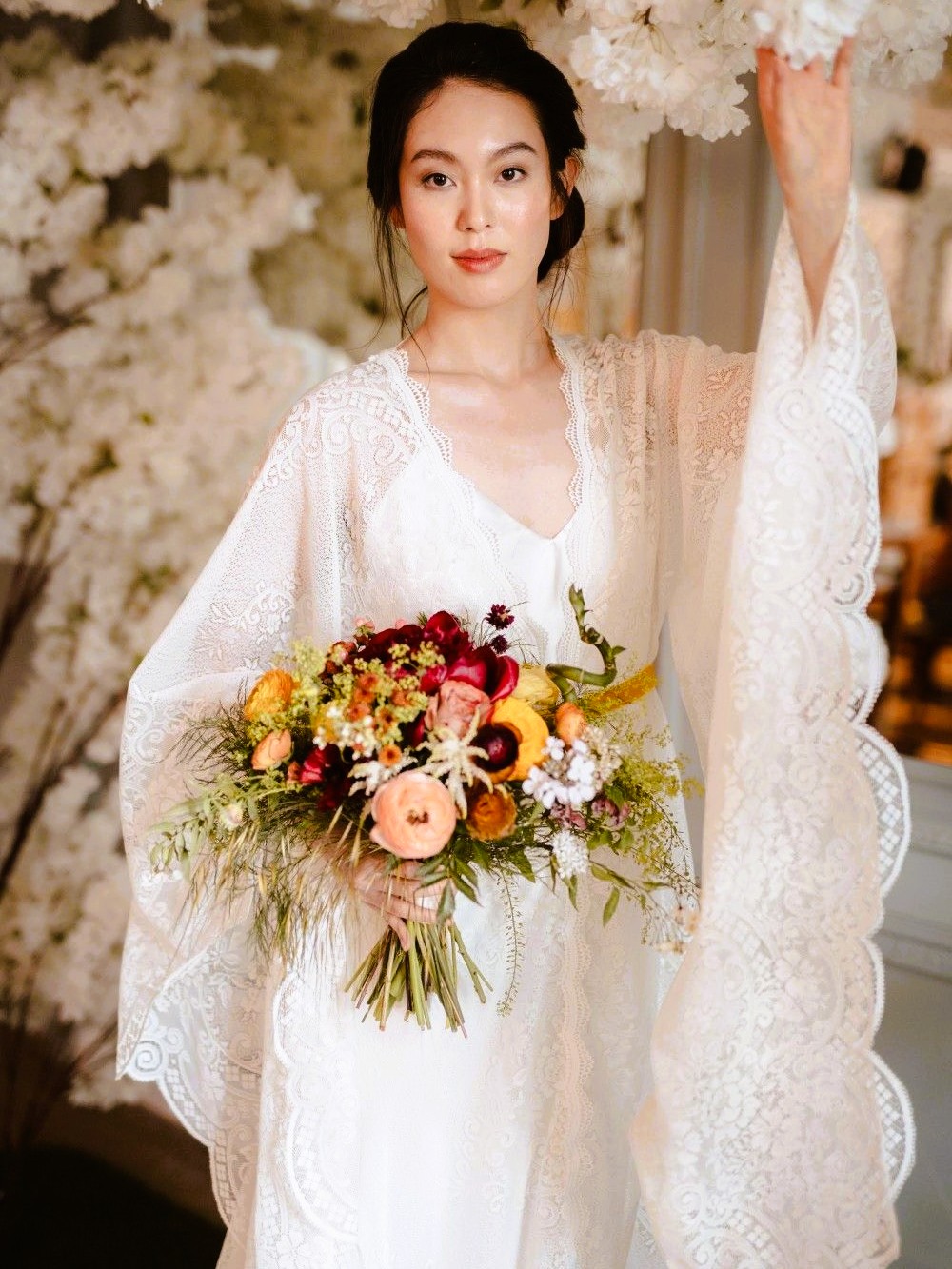
Build the timeline around the parts that affect comfort and contracts first: ceremony end time, cocktail hour, family photos, guest arrival, meal service, introductions, speeches, cultural rituals, dessert, dancing, and transportation. These details may not feel as exciting as flowers or music, but they decide whether the room feels calm or rushed.
A workable flow might include a short cocktail period, a welcome from the couple or parents, dinner, one or two cultural moments, speeches, dessert, and open dancing. If there will be a sake barrel opening, a tea-inspired welcome, or a bilingual toast, place it when guests are seated and paying attention. Meaningful moments lose force when they happen while people are standing in line for drinks or trying to find the restroom.
The venue can either support that flow or make it harder. Room changes, kitchen timing, sound systems, and staff cueing all affect whether the event feels organized. Couples comparing layouts and service options can start with local weddings pages to form better questions about guest movement, timing, and vendor coordination.
Before signing a contract, ask vendors how they handle bilingual announcements, family procession timing, speech cues, and late dinner service. A confident “we can do that” is not enough. A dependable vendor should be able to name who is responsible for each cue, how timing changes are handled, and what information they need before the event week.
Blend Traditions Without Forcing Symbolism
Not every Japanese detail needs to carry the weight of a formal ceremony. Some couples grew up with certain customs and understand them naturally. Others are learning through a partner, parent, grandparent, or future in-law. The celebration does not have to pretend both people share the same background. It can be honest and respectful at the same time.
A Japanese-influenced celebration might include kagami biraki, where a sake barrel is opened in celebration, or a reference to san-san-kudo if that ritual was not part of the ceremony. Other choices may include cranes, mizuhiki-inspired design, seasonal flowers, family-region references, or a more subtle use of color and texture. These details work best when the couple knows why they are present and how they will be introduced.
A helpful test is whether the tradition needs a short explanation. If it does, decide who will give it and how brief it should be. A printed program note, a few words from the emcee, or a sentence in the couple’s welcome can give guests context without turning the evening into a lesson.
Contrast can be useful. One couple may skip a formal ritual and serve Japanese sweets with coffee because that feels closer to family memory. Another may include a sake toast but avoid symbols they do not understand well enough to explain. Neither choice is lesser. Both can be thoughtful if the reasoning is clear.
The planning risk is collecting attractive ideas from social media and hoping they will create meaning on their own. That usually leads to extra rentals, rushed purchases, and awkward explanations. Fewer elements, handled carefully, often feel more sincere than a room crowded with symbols nobody has time to notice.
Choose Foods That Respect Both Families
Food is one of the first places guests notice whether a blended celebration has been planned carefully. It is also where a vague idea can become expensive. A menu may sound creative during a tasting, then become confusing during service if portions, pacing, temperature, or dietary needs have not been addressed.
For a Japanese American wedding reception, a full fusion menu is not the only option. Fusion can work, but it requires a chef who understands balance, texture, service timing, and scale. A more reliable approach may be a familiar American dinner with selected Japanese influences: miso-glazed fish, yuzu dressing, matcha dessert, rice bowls for a late-night snack, or passed appetizers inspired by izakaya dishes. Some couples keep dinner classic and add Japanese touches during cocktail hour or dessert instead.
A concrete observation: older guests often care less about whether the menu is inventive and more about whether they can recognize the food, sit comfortably, and receive their meal without a long delay. Younger guests may enjoy more unusual dishes, but they still notice when a menu feels like it is trying too hard.
Before approving the menu, walk through practical questions with the caterer:
- Which dishes can be served well at scale, not only during a tasting?
- Can the kitchen handle rice, fish, noodles, or delicate sauces without quality dropping during service?
- How will vegetarian, gluten-free, shellfish-free, and alcohol-free needs be handled?
- Will menu descriptions be clear for guests unfamiliar with Japanese ingredients?
- Can family elders request a simpler plate if needed?
Good food planning is not about satisfying every individual preference. That is rarely possible. It is about preventing avoidable frustration. If the venue handles catering, review the service structure early, including staffing, substitutions, pacing, and how special requests are recorded. A venue’s food services information can help shape those questions before the tasting, especially when cultural detail and practical execution both matter.
Avoid Assumptions About Japanese Wedding Reception Etiquette
Etiquette gets messy when someone says, “This is how it is done,” without explaining where that expectation comes from. Japanese customs can vary by family, region, religion, and formality. Japanese American families may also carry traditions shaped by immigration history, church communities, local habits, military life, mixed households, or decades of living in the United States.
Gift expectations are a common source of confusion. In Japan, wedding cash gifts and return-gift customs can be more structured than typical American registry habits. In the United States, guests may expect a registry, a card box, or an online gifting option. A modern couple can choose the system that fits, but the instructions should be direct. Guests should not have to decode the etiquette on their own.
Speeches need the same kind of clarity. Some families expect formal remarks from parents, bosses, or honored guests. Others only want short toasts from close friends. If a parent expects a certain person to speak, discuss it early enough to manage the schedule. Adding speakers at the last minute can create tension for the DJ, planner, emcee, kitchen, and anyone trying to keep the evening on time.
Seating can also carry different expectations. Japanese etiquette may place importance on hierarchy or honored guests, while many American receptions focus more on social ease. A blended plan can respect elders and parents while still seating friends and extended relatives in a way that supports conversation.
Scam concerns and unrealistic promises often appear at this stage because couples may be tempted by vendors selling vague “authentic cultural packages.” Be cautious with anyone who promises authenticity without asking about the family, language needs, religious background, comfort level, or exact event format. Authenticity is not a prop list. It is a set of decisions that fit the people in the room.
Honor a Japanese Wife’s Wedding Ideas Thoughtfully
The Japanese wife wedding ideas can make it sound as though there is a fixed checklist to follow, but a person is not a theme. A Japanese bride, Japanese American bride, or spouse with Japanese heritage may have very specific wishes. She may also prefer a reception with little visible cultural emphasis. The same care applies to grooms and nonbinary partners with Japanese heritage. The respectful move is to ask, not project.
A supportive partner listens for both preference and pressure. Someone may want to honor parents while feeling unsure about a tradition they did not grow up practicing. Someone else may care deeply about a family ritual but worry that American guests will not understand it. A calm planning conversation can separate personal meaning from obligation before money is spent.
Ask Better Questions Before Booking Details
Useful questions are specific and emotionally clear. Which traditions feel personal rather than expected? Which parts would feel uncomfortable in front of guests? Are there relatives who should be consulted before a decision becomes final? Is language access important for parents or grandparents? Would a bilingual program, translated speech, or interpreter help people feel included?
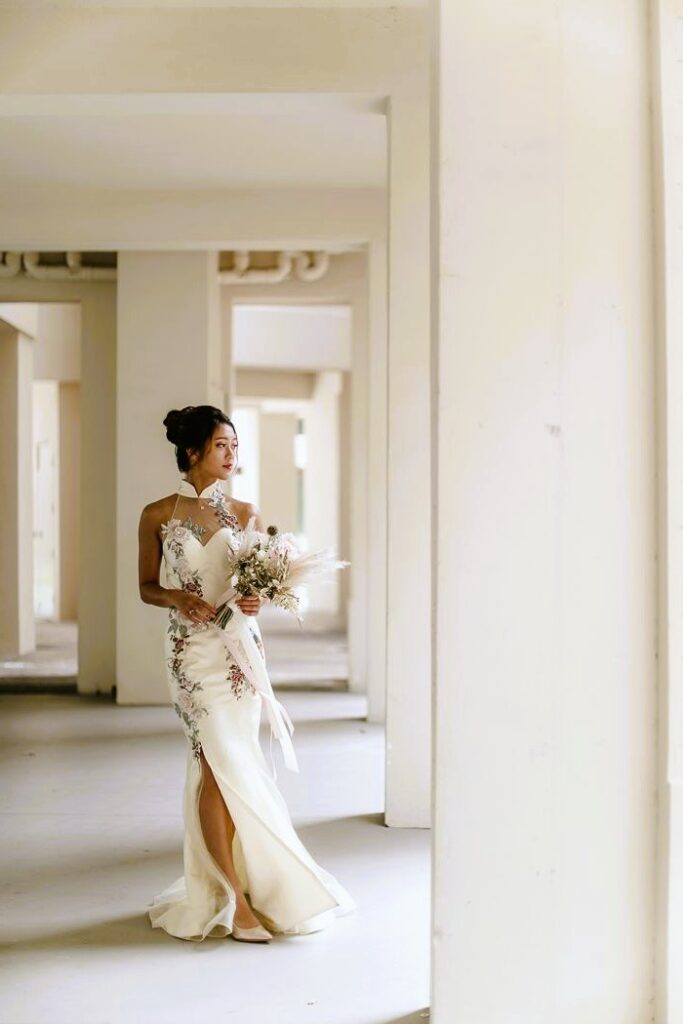
Follow-through is where respect becomes visible. If a partner says a custom matters, do not leave it in the category of “we will figure it out.” Assign the task, confirm the cost, and check whether the venue can support it. If a partner says a custom does not feel right, do not keep pushing because it would look good in photos or online.
Family dynamics may make these decisions more sensitive. Parents can have sincere hopes that do not match the couple’s budget, schedule, or comfort level. A respectful answer can still be firm: “We are including this part, but not that part,” or “We cannot add another speech, but we can mention the family during the welcome.” Clear limits are usually kinder than pretending every request can fit.
Build Connection Through Meaningful Guest Moments
Guests tend to remember the moments that help them understand the room: who is being honored, why a ritual is happening, and how the two families are being brought together. They do not need constant explanation. They do need enough context to avoid feeling like outsiders, especially when two languages, two family systems, and two sets of expectations are present.
Small planning choices can make the reception feel more connected. A bilingual welcome sign may help, but a bilingual emcee may matter more. A printed menu with simple descriptions can prevent confusion. A short welcome from the couple can acknowledge both families without turning the evening into another ceremony. Music can move between Japanese and American selections, but the DJ needs exact song versions, pronunciation notes, and timing instructions.
The strongest guest moments are usually planned with restraint. Consider these options:
- Begin dinner with a brief welcome that thanks both families and explains one meaningful reception element.
- Offer a small favor with a practical purpose, such as tea, sweets, or a note tied to family heritage.
- Use place cards or table names that reference locations, seasons, or shared memories instead of generic themes.
- Invite one speaker from each side, with a strict time limit and translation support if needed.
- Create a quiet area for elders or guests who need a break from music and conversation.
Not every guest moment has to be emotional. Some of the most useful details are simply there to keep the evening comfortable. Clear signs, assigned seats, accurate meal counts, a realistic bar plan, and a place for older relatives to rest may not feel dramatic, but they protect the mood of the reception.
Watch for Vendor Overpromising
Couples worried about scams or wasted time are right to ask careful questions. A vendor who agrees to every idea without asking for details may become difficult later. Get written notes about setup time, ceremony-to-reception transitions, cultural items, outside food rules, alcohol service, cleanup, and who supplies specialty items. If a sake barrel is part of the plan, confirm who sources it, who opens it, who cleans it, and whether the venue permits it.
A modern reception depends less on rare ideas and more on agreements people can actually carry out. That includes agreements between the couple, with families, and with vendors. Beauty is welcome, but reliability is what keeps the day from turning into a scramble.
A Japanese American wedding reception does not need to prove anything to be meaningful. Choose the traditions that fit, explain only what guests genuinely need to know, and put the practical details in writing. A useful next step is to list the elements that matter most, then confirm the timing, cost, and responsible person for each one before booking anything extra.